Trends in Cloud Computing
Introduction
Cloud computing has become the backbone of modern digital transformation, enabling businesses to store data, run applications, and deliver services more efficiently than ever before. From startups to multinational enterprises, organizations rely on cloud technologies to improve scalability, reduce costs, and accelerate innovation.
In 2026, cloud computing continues to evolve rapidly with advancements in artificial intelligence (AI), edge computing, hybrid cloud environments, serverless architecture, and enhanced cybersecurity. These emerging trends are reshaping how businesses manage IT infrastructure and prepare for the future.
In this article, we’ll explore the latest cloud computing trends, their benefits, real-world applications, and why they are essential for businesses and IT professionals.
What Is Cloud Computing?
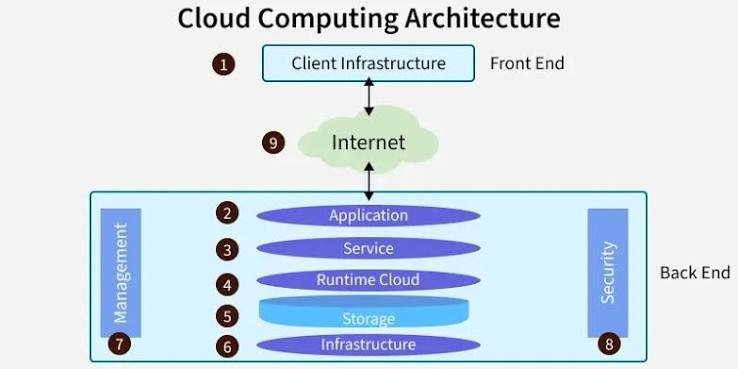
Cloud computing is the delivery of computing services—such as servers, storage, databases, networking, software, and analytics—over the internet. Instead of maintaining physical infrastructure, businesses can access computing resources on demand and pay only for what they use.
Cloud computing helps organizations:
- Store and manage data securely
- Scale applications quickly
- Improve collaboration
- Reduce operational costs
- Access services from anywhere
- Increase business agility
Why Cloud Computing Is Growing Rapidly
Businesses are increasingly adopting cloud technologies because they offer:
- Greater flexibility
- Lower infrastructure costs
- Faster software deployment
- Better disaster recovery
- Enhanced security
- Improved remote work capabilities
As digital transformation accelerates, cloud computing has become a strategic necessity rather than an optional technology.
Top Emerging Trends in Cloud Computing

1. Artificial Intelligence (AI) in the Cloud
AI-powered cloud services are becoming more accessible and affordable.
Organizations use AI to:
- Automate business processes
- Analyze large datasets
- Detect fraud
- Improve cybersecurity
- Build intelligent applications
- Personalize customer experiences
Cloud providers now offer built-in AI tools that simplify machine learning and predictive analytics.
2. Hybrid and Multi-Cloud Adoption
Many organizations no longer rely on a single cloud provider.
Hybrid cloud combines on-premises infrastructure with public and private cloud services.
Multi-cloud strategies allow businesses to use multiple cloud platforms for greater flexibility, reliability, and risk reduction.
Benefits include:
- Better workload distribution
- Reduced vendor lock-in
- Improved disaster recovery
- Higher availability
3. Edge Computing
Edge computing processes data closer to where it is generated instead of sending everything to centralized cloud servers.
Advantages include:
- Faster response times
- Lower latency
- Improved performance
- Reduced bandwidth usage
- Better support for IoT devices
Edge computing is especially valuable for healthcare, manufacturing, smart cities, and autonomous vehicles.
4. Serverless Computing
Serverless architecture allows developers to build applications without managing servers.
Benefits include:
- Automatic scaling
- Reduced infrastructure management
- Faster development
- Lower operational costs
- Pay-as-you-use pricing
Serverless computing enables businesses to focus more on application development and less on server maintenance.
5. Cloud Security Enhancements
As cyber threats continue to evolve, cloud security remains a top priority.
Modern cloud security focuses on:
- Zero Trust Architecture
- Data encryption
- Identity and Access Management (IAM)
- Multi-Factor Authentication (MFA)
- Continuous monitoring
- AI-powered threat detection
Organizations are investing heavily in cloud security to protect sensitive information and maintain compliance.
6. Cloud-Native Development
Cloud-native applications are designed specifically for cloud environments using technologies such as:
- Containers
- Microservices
- Kubernetes
- DevOps automation
Cloud-native development improves scalability, reliability, and deployment speed.
7. Green Cloud Computing
Sustainability has become an important focus for cloud providers.
Green cloud initiatives include:
- Energy-efficient data centers
- Renewable energy usage
- Carbon footprint reduction
- Optimized resource utilization
Businesses increasingly prefer environmentally responsible cloud solutions.
8. Big Data and Cloud Analytics
Cloud platforms simplify big data processing by offering powerful analytics tools.
Organizations use cloud analytics to:
- Understand customer behavior
- Predict market trends
- Improve decision-making
- Optimize operations
- Detect anomalies
Cloud-based analytics supports data-driven business strategies.
Industries Benefiting from Cloud Computing
Cloud technologies are transforming numerous industries, including:
Healthcare
- Electronic health records
- Telemedicine
- AI-assisted diagnosis
Finance
- Digital banking
- Fraud detection
- Secure transactions
Retail
- E-commerce
- Customer analytics
- Inventory management
Education
- Online learning
- Virtual classrooms
- Cloud collaboration
Manufacturing
- Smart factories
- Predictive maintenance
- Supply chain optimization
Challenges of Cloud Computing
Despite its advantages, organizations must address challenges such as:
- Data privacy
- Regulatory compliance
- Vendor lock-in
- Cloud misconfigurations
- Security threats
- Cost management
Proper planning and governance help minimize these risks.
Future of Cloud Computing

Experts expect cloud computing to continue evolving with innovations such as:
- AI-driven cloud management
- Quantum computing integration
- Autonomous cloud operations
- Advanced cybersecurity
- Edge AI
- Intelligent automation
Cloud computing will remain a driving force behind digital transformation across industries.
Conclusion
Cloud computing continues to reshape the technology landscape by providing scalable, secure, and cost-effective solutions for businesses of all sizes. Emerging trends such as AI integration, hybrid cloud, edge computing, serverless architecture, cloud-native development, and green cloud computing are creating new opportunities for innovation and growth.
Organizations that embrace these advancements will be better prepared to improve efficiency, enhance customer experiences, strengthen security, and remain competitive in the digital economy. As cloud technology continues to evolve beyond 2026, staying informed about emerging trends will be essential for businesses and IT professionals alike.