
Introduction
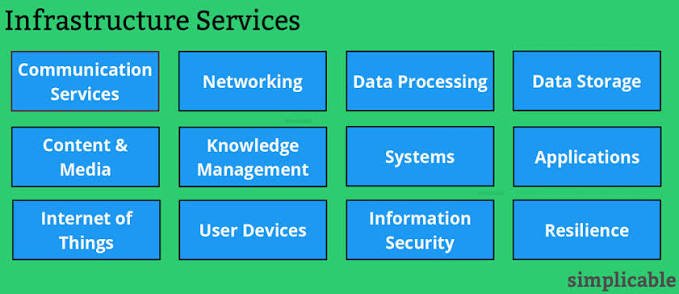
Infrastructure Services play an important role in helping businesses operate efficiently in a technology-driven world. They provide the essential systems, resources, and technical support needed to keep daily operations running smoothly. From managing computer networks to maintaining cloud platforms, these services support different business activities. Reliable infrastructure helps organizations improve productivity, protect valuable information, and reduce technical disruptions. As companies continue to adopt digital solutions, the importance of effective Infrastructure Services keeps growing.
1. Understanding Infrastructure Services
Infrastructure Services include the technology resources and support systems that allow an organization to function properly. These services may cover servers, storage systems, networking equipment, software environments, and cloud-based platforms. Their primary purpose is to ensure that business operations remain stable, secure, and accessible. A well-managed infrastructure creates a dependable foundation for employees, customers, and business applications. It also helps organizations adapt to changing technical requirements.
2. Importance of IT Infrastructure
IT infrastructure is essential for maintaining smooth communication and efficient workflows within a company. Employees depend on reliable systems to access information, share documents, and complete their responsibilities. When infrastructure works effectively, businesses can minimize interruptions and maintain consistent service quality. Strong infrastructure also supports better planning and resource management. Investing in suitable Infrastructure Services allows organizations to focus more on their goals and less on technical problems.
3. Network Management and Connectivity
Network management is a major component of modern Infrastructure Services. It involves monitoring connections, maintaining network equipment, and ensuring that authorized users can access the resources they need. A properly managed network improves communication between departments, offices, and remote employees. It can also help identify performance issues before they affect important business activities. Reliable connectivity is especially valuable for organizations that depend on online platforms and real-time information sharing.
4. Cloud Infrastructure Solutions
Cloud infrastructure enables businesses to access computing resources through online platforms rather than relying entirely on physical equipment. These resources may include virtual servers, databases, storage, and application environments. Cloud-based Infrastructure Services offer flexibility because organizations can adjust their resources according to changing demands. They can also support remote collaboration and simplify the deployment of new applications. Choosing an appropriate cloud solution requires careful consideration of security, cost, performance, and business needs.
5. Data Storage and Backup
Businesses generate large amounts of information every day, making dependable storage an important part of their infrastructure. Data storage solutions help organizations organize and access files, records, and operational information. Backup services create additional copies of important data to reduce the risk of permanent loss. Regular backups are particularly useful when equipment fails, files become corrupted, or unexpected incidents occur. A clear backup strategy helps businesses protect essential information and maintain continuity.
6. Cybersecurity and Infrastructure Protection
Security is a critical consideration when managing business infrastructure. Organizations must protect their networks, devices, applications, and stored information against unauthorized access and cyber threats. Infrastructure Services may include security monitoring, access controls, system updates, firewalls, and vulnerability assessments. These measures help reduce risks and strengthen the organization’s overall security position. Employees should also receive appropriate security training because responsible user behavior is an important part of protecting digital resources.
7. Server Management and Maintenance
Servers support many essential business functions, including website hosting, application delivery, file sharing, and database operations. Server management involves configuring systems, installing updates, monitoring performance, and resolving technical issues. Routine maintenance can help prevent unexpected failures and improve reliability. Businesses may use physical servers, virtual machines, or cloud-based server environments according to their requirements. Effective server management ensures that critical applications remain available to the people who depend on them.
8. Technical Support and Troubleshooting
Technical support helps employees and organizations resolve infrastructure-related problems quickly and efficiently. Common issues may involve network connectivity, system access, hardware failures, or application performance. Support teams investigate these problems, identify their causes, and apply suitable solutions. Timely troubleshooting reduces downtime and helps employees return to their normal tasks. Professional Infrastructure Services may also include preventive monitoring, user assistance, and technical guidance to reduce the likelihood of recurring problems.
9. Scalability and Business Growth
As organizations grow, their technology requirements often change. They may need additional storage, stronger network capacity, more computing power, or improved application performance. Scalable Infrastructure Services allow businesses to expand their resources without redesigning every part of their existing systems. This flexibility is valuable for startups, established companies, and organizations experiencing seasonal changes in demand. Planning for future growth helps businesses avoid unnecessary costs while ensuring that their infrastructure remains suitable for evolving needs.
10. Cost Efficiency and Resource Optimization
Managing infrastructure effectively can help organizations make better use of their technology budgets. Regular performance reviews can identify unused resources, outdated equipment, and unnecessary operating expenses. Businesses can then make informed decisions about upgrades, maintenance, and cloud adoption. Outsourcing selected infrastructure tasks may also help companies access specialized expertise without building a large internal technical team. The best approach depends on the organization’s budget, security requirements, workload, and long-term objectives.
11. Disaster Recovery and Business Continuity
Unexpected events such as hardware failures, cyberattacks, power interruptions, or natural disasters can disrupt business operations. Disaster recovery planning prepares organizations to restore important systems and information after such incidents. Infrastructure Services may support recovery through backup systems, redundant equipment, alternative environments, and documented recovery procedures. Business continuity planning also identifies essential operations and the resources required to maintain them. Regular testing helps ensure that recovery plans are practical and effective when they are needed.
12. Choosing the Right Infrastructure Services Provider
Selecting a suitable service provider requires careful evaluation of technical expertise, reliability, security practices, and customer support. Businesses should consider whether the provider understands their industry and can meet their current and future requirements. Transparent pricing, clear service agreements, and effective communication are also important factors. Organizations should review monitoring capabilities, response times, and disaster recovery options before making a decision. A dependable provider can help maintain stable systems while allowing business teams to concentrate on their core responsibilities.
Conclusion
Infrastructure Services provide the technological foundation that modern organizations need to work efficiently and remain competitive. They support networking, cloud computing, data protection, cybersecurity, and the maintenance of essential systems. With the right infrastructure strategy, businesses can reduce disruptions, improve resource utilization, and respond more effectively to changing demands. Regular maintenance and thoughtful planning are equally important for long-term reliability. By choosing appropriate solutions and trusted service providers, organizations can build a stronger foundation for sustainable growth.
Frequently Asked Questions (FAQs)
1. What are Infrastructure Services?
Infrastructure Services are technology-related resources and support solutions that help organizations maintain their IT systems. They commonly include networking, server management, cloud computing, data storage, cybersecurity, and technical support.
2. Why are Infrastructure Services important for businesses?
They help businesses maintain reliable operations, protect important data, improve employee productivity, and reduce technical downtime. They also provide the flexibility needed to support business expansion and digital transformation.
3. How can a business choose the right Infrastructure Services?
A business should evaluate its technical requirements, budget, security needs, scalability goals, and support expectations. Comparing service providers based on experience, reliability, pricing transparency, and recovery capabilities can help identify the most suitable option.