Introduction
Robotics is a field of technology that deals with the design and use of robots. Robots are machines that can perform tasks automatically or with limited human control. Robotics is now part of modern industries where machines support production and services.
This article explains robotics and its role in modern industries. It also explains how robots are used in different work environments.
What Is Robotics
Robotics is a branch of engineering and computer science. It focuses on building machines that can perform tasks based on programming and sensors.
A robot is a system that can:
- Sense environment
- Process information
- Perform actions
Robots are designed to complete tasks that are repetitive, dangerous, or require high precision.
Role of Robotics in Modern Industries
Robotics plays an important role in industries. It is used to improve production and reduce manual effort.
Manufacturing
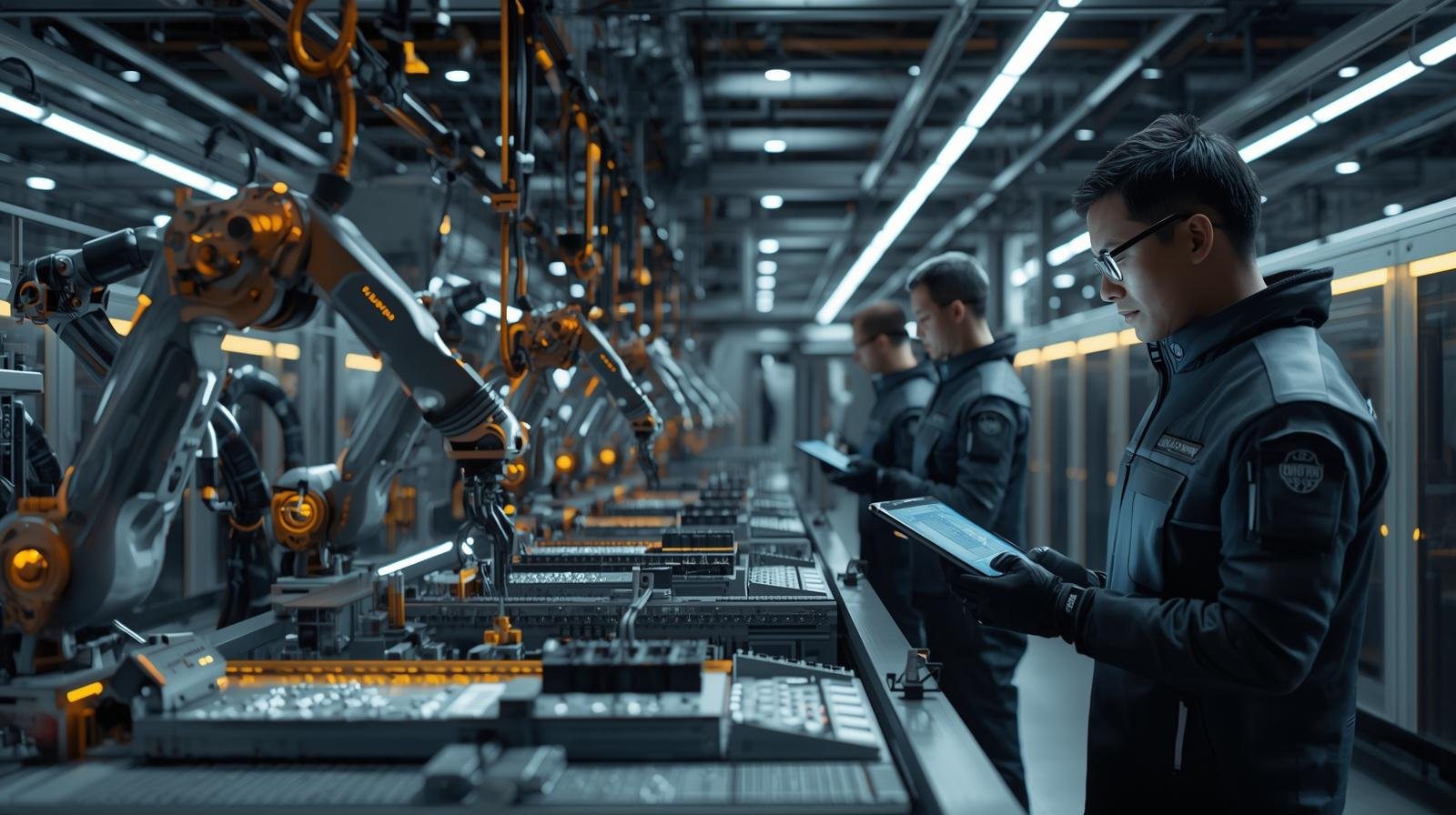
Robots are used in assembly lines. They help in building products, handling materials, and packaging goods.
Healthcare
Robots assist in surgeries, patient care, and hospital operations.
Logistics
Robots help in sorting, transporting, and managing goods in warehouses.
Agriculture
Robots are used in planting, harvesting, and monitoring crops.
Why Robotics Is Important
Robotics is important because it:
- Reduces manual work
- Supports continuous operations
- Improves production speed
- Handles difficult tasks
It helps industries manage large-scale operations.
How Automation Is Changing Jobs and Future Work Opportunities
Introduction
Automation is the use of systems and machines to perform tasks without human input. It is changing how work is done in many industries.
This article explains how automation affects jobs and what future work opportunities may appear.
What Is Automation
Automation refers to systems that complete tasks automatically using technology. These systems follow programmed instructions.
Automation is used in:
- Factories
- Offices
- Online platforms
- Service systems
How Automation Is Changing Jobs
Automation is changing job structures in many ways.
Reduction of Manual Tasks
Machines are replacing repetitive tasks such as data entry and basic production work.
Change in Job Roles
Workers are moving from manual work to technical roles such as system management.
Increase in Technical Skills
Jobs now require knowledge of machines, software, and data systems.
Future Work Opportunities
Automation also creates new job opportunities.
Technology Jobs
New roles in system design, robotics, and data analysis are increasing.
Maintenance Roles
Machines require maintenance and monitoring.
AI and Data Jobs
Artificial intelligence and data processing create new career fields.
Impact on Workforce
Automation affects workforce structure. Some jobs are reduced, while new roles are created.
Workers need to learn new skills to adapt to changing systems.
Key Components of Robots and How They Function Together
Introduction
Robots are made of different parts that work together. Each part has a specific function.
This article explains the main components of robots and how they operate as a system.
Main Components of Robots
Sensors
Sensors collect information from the environment. They detect light, sound, movement, and temperature.
Controllers
Controllers process information from sensors. They act like the brain of the robot.
Actuators
Actuators perform physical actions. They move robot parts based on instructions.
Power Supply
Robots need energy to operate. Power systems provide electricity or battery support.
Software System
Software controls robot behavior. It provides instructions for tasks.
How Robot Components Work Together
Robots operate in a step-by-step process:
- Sensors collect data
- Controller processes data
- Software decides action
- Actuators perform movement
All components work together to complete tasks.
Importance of Coordination
If one component fails, the robot cannot function properly. Coordination between parts is important for performance.
Advantages and Limitations of Robotics in Industrial and Daily Use
Introduction
Robotics is used in industries and daily life. It provides benefits but also has limitations.
This article explains both sides of robotics use.
Advantages of Robotics
Task Automation
Robots perform repetitive tasks without human effort.
High Efficiency
Robots can work continuously without breaks.
Precision
Robots perform tasks with consistent output.
Safety
Robots handle dangerous tasks that may risk human safety.
Cost Reduction
Over time, robots reduce operational cost in industries.
Limitations of Robotics
High Setup Cost
Robotic systems require high investment for installation.
Maintenance Requirement
Robots need regular maintenance and updates.
Limited Flexibility
Some robots can only perform specific tasks.
Job Displacement
Automation may reduce certain job roles.
Technical Dependency
Robots depend on programming and system control.
Robotics in Daily Life
Robotics is also used in daily life:
- Home cleaning systems
- Security systems
- Delivery systems
- Smart devices
These systems support daily activities.
Robotics in Industry
Industries use robotics in:
- Manufacturing
- Healthcare
- Logistics
- Agriculture
Robots support production and management.
Conclusion
Robotics plays an important role in modern industries and daily life. It improves efficiency, supports automation, and handles complex tasks.
At the same time, robotics has limitations such as cost, maintenance, and job impact.
Understanding both advantages and limitations helps in using robotics in a balanced way.