
Introduction
In today’s digital world, data has become one of the most valuable resources for organizations. Every online interaction, transaction, customer activity, and business operation generates massive amounts of information. However, raw data alone has little value unless it can be analyzed and transformed into meaningful insights.
This is where data science plays an important role. Data science combines statistics, programming, artificial intelligence, machine learning, and analytical techniques to discover patterns, predict future trends, and support better decision-making.
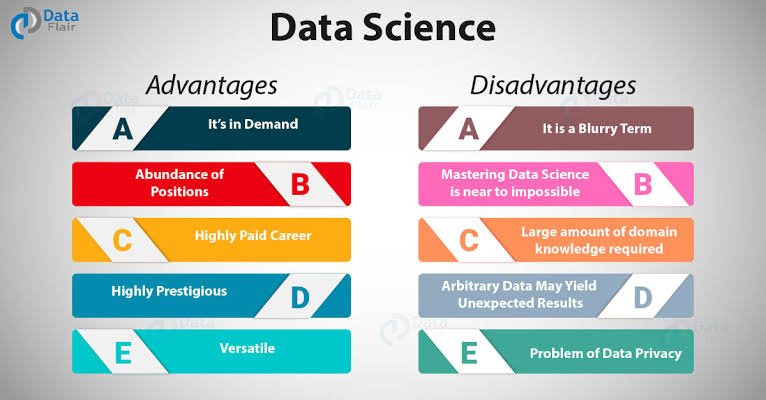
The advantages of data science extend across industries, helping businesses improve efficiency, understand customers, reduce costs, and create innovative solutions. From healthcare and finance to marketing and technology, data science has become a powerful tool for growth and development.
What Is Data Science?
Data science is an interdisciplinary field that focuses on collecting, processing, analyzing, and interpreting large amounts of data. It uses advanced technologies such as machine learning, artificial intelligence, and predictive analytics to extract valuable information.
A data scientist works with different types of data to answer important questions, identify opportunities, and solve complex problems.
The main components of data science include:
- Data collection
- Data cleaning
- Data analysis
- Statistical modeling
- Machine learning
- Data visualization
- Predictive analytics
Top Advantages of Data Science

1. Better Decision-Making
One of the biggest advantages of data science is improved decision-making.
Businesses no longer need to rely only on assumptions or guesswork. Data science provides accurate insights based on real information, allowing companies to make smarter strategic decisions.
For example, organizations can analyze customer behavior, market trends, and sales performance to determine which strategies are most effective.
2. Helps Businesses Understand Customers
Understanding customer needs is essential for business success.
Data science helps companies analyze customer preferences, purchasing habits, feedback, and online behavior. These insights allow businesses to create personalized experiences.
Benefits include:
- Better customer satisfaction
- Personalized recommendations
- Improved marketing campaigns
- Stronger customer relationships
Companies use data science to predict what customers want and deliver more relevant products and services.
3. Improves Business Efficiency
Data science helps organizations identify inefficient processes and improve operations.
By analyzing workflow data, companies can discover areas where they can save time, reduce waste, and increase productivity.
For example, businesses can use predictive analytics to optimize inventory management, supply chains, and resource allocation.
4. Enables Automation
Automation is another major advantage of data science.
Machine learning models can perform repetitive tasks faster and more accurately than manual processes.
Examples include:
- Automated customer support chatbots
- Fraud detection systems
- Recommendation engines
- Automated data analysis
- Predictive maintenance
Automation allows employees to focus on more creative and strategic activities.
5. Supports Predictive Analytics
Data science helps organizations predict future outcomes by analyzing historical data.
Predictive analytics is used in many industries, including:
- Finance for risk assessment
- Healthcare for disease prediction
- Retail for demand forecasting
- Marketing for customer behavior prediction
These predictions help businesses prepare for future challenges and opportunities.
6. Enhances Security and Fraud Detection
Data science plays an important role in cybersecurity.
Organizations analyze unusual patterns and behaviors to detect potential threats.
Financial institutions use data science to identify fraudulent transactions and prevent financial crimes.
Security advantages include:
- Real-time monitoring
- Threat detection
- Risk analysis
- Fraud prevention
7. Creates Career Opportunities
The growing importance of data has increased demand for skilled professionals.
Data science offers many career opportunities, including:
- Data Scientist
- Data Analyst
- Machine Learning Engineer
- Business Intelligence Analyst
- Data Engineer
- AI Specialist
Professionals with data science skills can work across industries and enjoy strong career growth opportunities.
8. Drives Innovation
Data science helps organizations develop new products, services, and solutions.
Companies use data insights to identify market gaps and create innovative offerings.
Examples include:
- AI-powered applications
- Smart healthcare systems
- Personalized shopping experiences
- Autonomous technologies
Data science encourages innovation by transforming ideas into data-driven solutions.
9. Improves Healthcare Solutions
Healthcare is one of the industries benefiting greatly from data science.
Medical organizations use data analysis to:
- Predict diseases
- Improve patient care
- Develop treatments
- Analyze medical research
- Optimize hospital operations
Data science helps healthcare professionals make faster and more accurate decisions.
10. Provides Competitive Advantage
Businesses that effectively use data science gain an advantage over competitors.
Data-driven companies can respond quickly to market changes, understand customers better, and improve their products continuously.
In competitive industries, the ability to analyze and use data effectively can determine long-term success.
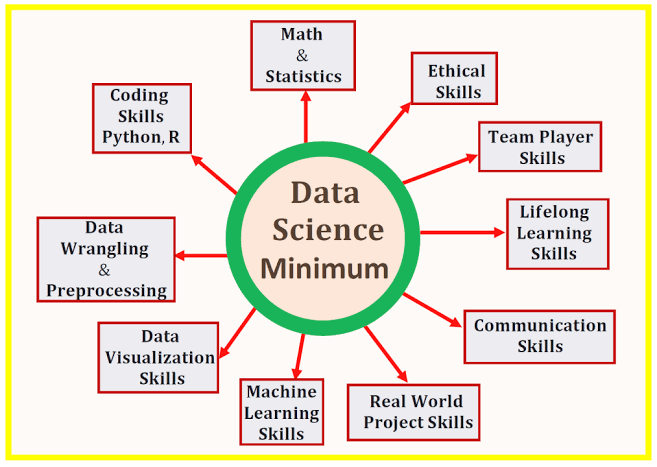
Skills Required for Data Science
To build a career in data science, professionals should develop skills such as:
- Programming languages like Python and R
- Statistics and mathematics
- Machine learning
- Database management
- Data visualization
- Problem-solving
- Analytical thinking
Continuous learning is important because data science technologies evolve rapidly.
Future of Data Science
The future of data science is closely connected with artificial intelligence, automation, and big data. As organizations continue generating more information, the demand for professionals who can analyze and interpret data will continue to grow.
Emerging technologies such as AI-powered analytics, deep learning, and real-time data processing will make data science even more powerful.
Industries that adopt data science effectively will be better prepared for future challenges and opportunities.
Frequently Asked Questions (FAQ)
What are the main advantages of data science?
The main advantages of data science include better decision-making, improved efficiency, customer insights, automation, predictive analytics, and business growth.
Why is data science important today?
Data science helps organizations convert large amounts of data into valuable insights, allowing them to make smarter decisions and improve performance.
Is data science a good career option?
Yes, data science is a growing career field with strong demand across industries such as technology, healthcare, finance, and marketing.
How does data science help businesses?
Data science helps businesses understand customers, reduce costs, optimize operations, predict trends, and create better products.
Conclusion
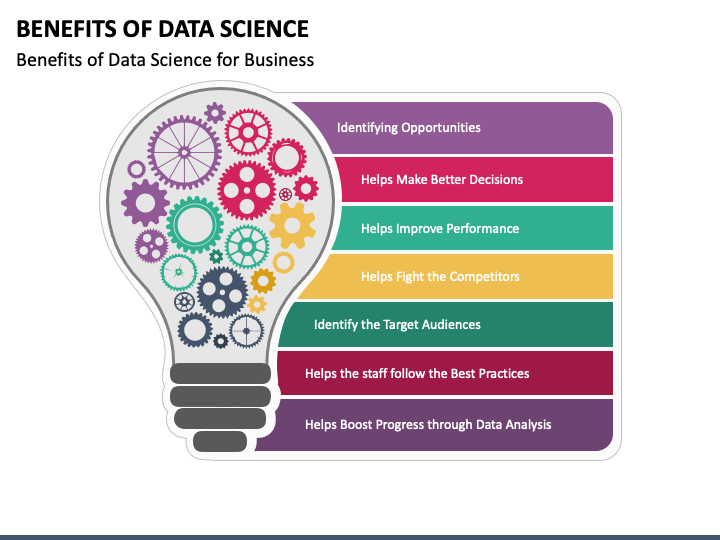
The advantages of data science are transforming the way businesses operate and how professionals build careers. By turning complex data into meaningful insights, data science enables smarter decisions, automation, innovation, and improved efficiency.
As technology continues to advance, organizations that understand and utilize data effectively will have a significant advantage. Learning data science skills can also open doors to exciting career opportunities in one of the fastest-growing fields in the modern digital economy.
Data science is not just about analyzing data—it is about using information to create better decisions, solutions, and opportunities.