
Introduction to Software Development
Software development has become one of the most important industries in the modern digital world. Almost every business, organization, and individual depends on software in some form. From mobile applications and websites to artificial intelligence systems and enterprise platforms, software development plays a major role in creating the technology people use every day.
The demand for skilled software developers continues to grow because companies are constantly looking for better ways to improve efficiency, automate tasks, and provide better experiences to customers. Whether it is a small startup creating its first application or a global company managing complex digital systems, software development is the foundation behind successful technology solutions.
In simple terms, software development is the process of designing, creating, testing, deploying, and maintaining software applications. It involves programming languages, development tools, frameworks, databases, and various methodologies that help developers transform ideas into functional digital products.
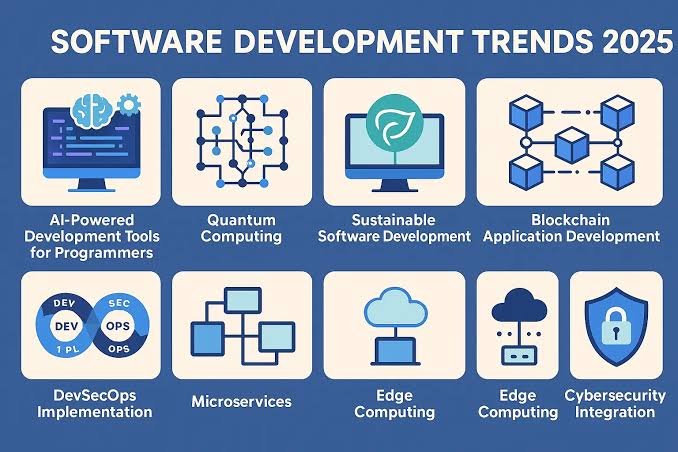
This complete guide explains everything about software development, including its types, processes, benefits, programming languages, career opportunities, and future trends.
What Is Software Development?
Software development is a structured process used to create computer programs and applications that solve specific problems or perform particular tasks. Developers write code that allows computers, smartphones, and other devices to perform different functions.
Software can range from simple programs such as calculators and note-taking applications to advanced systems such as banking platforms, healthcare software, cloud applications, and artificial intelligence solutions.
The main goal of software development is to create reliable, secure, and user-friendly software that meets the needs of businesses and users.
A software development project usually includes several stages:
- Planning and research
- Requirement analysis
- Software design
- Programming and coding
- Testing
- Deployment
- Maintenance and updates
Each stage helps ensure that the final product works correctly and provides value to users.
Why Is Software Development Important?
Technology has changed the way people live and work. Businesses that once depended on traditional methods now use software solutions to manage operations, communicate with customers, and increase productivity.
Software development is important because it helps organizations:
Improve Business Efficiency
Custom software allows companies to automate repetitive tasks and reduce manual work. For example, businesses use management systems to handle customer information, inventory, payments, and reporting.
Automation saves time and allows employees to focus on more important activities.
Create Better Customer Experiences
Modern customers expect fast, simple, and convenient digital experiences. Mobile apps, websites, and online platforms help businesses provide services anytime and anywhere.
Good software design can improve customer satisfaction and build long-term relationships.
Support Innovation
Many modern technologies depend on software development, including:
- Artificial intelligence
- Machine learning
- Cloud computing
- Internet of Things (IoT)
- Blockchain technology
- Virtual reality
Developers create the software solutions that make these technologies possible.
Increase Business Growth
A well-developed software solution can help businesses reach more customers, improve operations, and compete in global markets.
Types of Software Development
Software development is a broad field with different areas of specialization. Developers usually focus on specific types of software depending on their skills and project requirements.
1. Web Development
Web development focuses on creating websites and web-based applications that run through internet browsers.
Web developers work on:
- Business websites
- Online stores
- Web applications
- Content management systems
- Customer portals
Web development is divided into two main areas:
Front-End Development
Front-end developers create the parts of a website that users see and interact with. They focus on design, layout, buttons, navigation, and user experience.
Common front-end technologies include:
- HTML
- CSS
- JavaScript
- React
- Angular
- Vue.js
Back-End Development
Back-end developers build the server-side logic that powers websites and applications.
They handle:
- Databases
- Security
- Server operations
- Application programming interfaces (APIs)
Popular back-end technologies include:
- Python
- PHP
- Java
- Node.js
- Ruby
2. Mobile App Development
Mobile app development involves creating applications for smartphones and tablets.
With billions of mobile users worldwide, mobile applications have become essential for businesses and services.
Mobile developers create apps for platforms such as:
- Android
- iOS
Popular mobile development technologies include:
- Kotlin
- Java
- Swift
- Flutter
- React Native
Mobile apps are used in industries such as:
- Banking
- Education
- Healthcare
- Entertainment
- Shopping
- Travel
3. Desktop Software Development
Desktop software development focuses on applications designed for computers and laptops.
Examples include:
- Office applications
- Accounting software
- Design tools
- Security programs
- Business management systems
Common desktop development languages include:
- C++
- C#
- Java
- Python
4. Database Development
Data is one of the most valuable resources for modern businesses. Database developers create systems that store, organize, and manage information.
Database development includes:
- Database design
- Data security
- Performance optimization
- Data management
Popular database technologies include:
- MySQL
- PostgreSQL
- Microsoft SQL Server
- MongoDB
- Oracle Database
5. Artificial Intelligence Software Development
Artificial intelligence has become a rapidly growing area of software development.
AI developers create applications that can analyze information, recognize patterns, and make intelligent decisions.
Examples include:
- Chatbots
- Recommendation systems
- Voice assistants
- Image recognition software
- Automated business solutions
Common AI programming languages include:
- Python
- R
- Java
- C++
Software Development Life Cycle (SDLC)
The Software Development Life Cycle (SDLC) is a step-by-step process used by software development teams to create high-quality software. It provides a structured approach that helps developers build reliable applications while reducing errors and improving efficiency.
A successful software project usually follows several important phases.
1. Planning and Requirement Analysis
The first stage of software development is planning. Before writing any code, developers and business teams identify what the software needs to achieve.
During this phase, teams analyze:
- Business goals
- Target users
- Required features
- Project budget
- Development timeline
- Technical requirements
A clear plan helps prevent problems later in the development process.
For example, when creating an online shopping application, developers need to understand whether the system requires product listings, payment options, customer accounts, delivery tracking, and other features.
2. Software Design
After gathering requirements, developers create the software design. This stage focuses on planning how the application will work and how different components will connect.
Software design includes:
- User interface design
- Database structure
- System architecture
- Security planning
- User experience planning
A good design creates a strong foundation for the entire software project.
3. Coding and Development
Coding is the stage where developers transform ideas and designs into a working application.
Software developers use programming languages to write instructions that computers can understand.
During development, programmers create:
- Application features
- Functions
- Database connections
- User interfaces
- Security systems
Professional developers usually follow coding standards to make software easier to maintain and improve.
4. Software Testing
Testing is one of the most important parts of software development. It ensures that the application works correctly and does not contain major problems.
Software testing helps identify:
- Programming errors
- Security issues
- Performance problems
- Compatibility problems
Common types of software testing include:
Functional Testing
Checks whether software features work according to requirements.
Security Testing
Ensures that user information and systems are protected.
Performance Testing
Measures how software performs under different conditions.
User Testing
Real users test the software to ensure it provides a good experience.
5. Deployment
After successful testing, the software is released for users.
Deployment may involve:
- Installing software on servers
- Publishing mobile applications
- Launching websites
- Configuring cloud systems
Many companies release software gradually to monitor performance and collect user feedback.
6. Maintenance and Updates

Software development does not end after launch. Applications require regular maintenance to remain secure and effective.
Maintenance includes:
- Fixing bugs
- Adding new features
- Improving performance
- Updating security systems
- Supporting users
Continuous improvement helps software remain competitive in a changing technology environment.
Popular Programming Languages in Software Development
Programming languages are the foundation of software development. Developers choose languages based on project requirements, performance needs, and platform.
Python
Python is one of the most popular programming languages because it is simple, powerful, and versatile.
Python is widely used for:
- Web development
- Artificial intelligence
- Machine learning
- Data analysis
- Automation
Its easy-to-read syntax makes it a popular choice for beginners and experienced developers.
JavaScript
JavaScript is a key technology for modern web development.
It allows developers to create interactive websites and web applications.
JavaScript is used for:
- Front-end development
- Back-end development
- Mobile applications
- Browser-based software
Popular JavaScript frameworks include React, Angular, and Vue.
Java
Java has been used for software development for decades and remains popular among large organizations.
Java is commonly used for:
- Enterprise applications
- Android applications
- Banking systems
- Large-scale platforms
Its stability and security make it a trusted choice for many businesses.
C++
C++ is known for high performance and speed.
It is commonly used in:
- Game development
- Operating systems
- Embedded systems
- High-performance applications
C++ provides developers with greater control over computer resources.
C#
C# is a programming language developed for creating applications on the Microsoft platform.
It is widely used for:
- Desktop applications
- Web applications
- Game development
- Enterprise software
PHP
PHP is a popular language for web development, especially for server-side programming.
Many websites and content management systems use PHP because it is flexible and cost-effective.
Software Development Methodologies
Software development teams use different methodologies to organize their work and deliver better results.
Agile Software Development
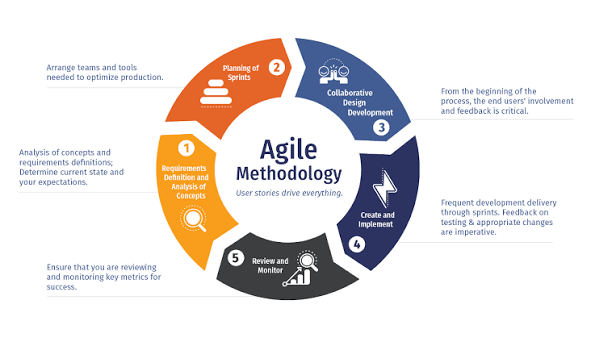
Agile is one of the most popular approaches in modern software development.
It focuses on:
- Continuous improvement
- Customer feedback
- Frequent releases
- Team collaboration
Instead of creating the entire software at once, Agile teams build small parts and improve them over time.
Scrum
Scrum is an Agile framework that divides work into short development periods called sprints.
A Scrum team usually includes:
- Developers
- Product managers
- Scrum masters
- Designers
Regular meetings help teams track progress and solve problems quickly.
Waterfall Development
Waterfall is a traditional software development approach where each phase is completed before moving to the next.
The stages usually follow this order:
- Planning
- Design
- Development
- Testing
- Deployment
Waterfall can work well for projects with fixed requirements.
DevOps Approach
DevOps combines software development and IT operations to improve software delivery.
DevOps practices help organizations:
- Release updates faster
- Automate processes
- Improve software reliability
- Reduce development problems
Popular DevOps tools include:
- Continuous integration systems
- Cloud platforms
- Monitoring tools
- Automated testing systems
How to Become a Software Developer
Software development is a valuable career path with opportunities across many industries.
A person can become a software developer by following these steps:
Learn Programming Fundamentals
The first step is understanding programming concepts such as:
- Variables
- Functions
- Data structures
- Algorithms
- Logic building
Beginners often start with languages like Python or JavaScript.
Choose a Development Field
Software development has many career paths, including:
- Web developer
- Mobile app developer
- Software engineer
- Game developer
- Data engineer
- AI developer
- Cloud developer
Choosing a specific area helps learners focus their skills.
Build Real Projects
Practical experience is extremely important.
Developers should create projects such as:
- Websites
- Mobile apps
- Business tools
- Automation scripts
- Open-source contributions
Projects help demonstrate skills to employers and clients.
Learn Software Tools
Professional developers use various tools, including:
- Code editors
- Version control systems
- Testing tools
- Cloud platforms
- Database management systems
Learning these tools improves productivity and teamwork.
Career Opportunities in Software Development
The software industry offers many career opportunities because almost every sector needs technology solutions.
Software developers work in industries such as:
- Healthcare
- Finance
- Education
- Entertainment
- Manufacturing
- Government
- Retail
Common job roles include:
- Software Engineer
- Full Stack Developer
- Front-End Developer
- Back-End Developer
- Mobile Developer
- Cloud Engineer
- AI Engineer
- Database Developer
Frequently Asked Questions (FAQs) About Software Development
1. What is software development?
Software development is the process of creating, designing, testing, and maintaining computer programs and applications. It involves writing code, solving problems, and building digital solutions such as websites, mobile apps, business software, and online platforms.
2. Why is software development important for businesses?
Software development helps businesses improve efficiency, automate tasks, manage data, provide better customer experiences, and create new digital services. Custom software solutions allow companies to solve specific problems and compete in the modern digital market.
3. Which programming language is best for software development?
There is no single best programming language because the right choice depends on the project requirements. Python is popular for artificial intelligence and automation, JavaScript is widely used for web development, Java is common for enterprise applications, and C++ is preferred for high-performance software.
4. How long does it take to learn software development?
The time required to learn software development depends on the learner’s dedication, background, and chosen field. A beginner can learn basic programming concepts within a few months, while becoming a professional developer usually requires continuous learning, practice, and real-world project experience.
5. What is the future of software development?

The future of software development is expected to grow with advancements in artificial intelligence, cloud computing, automation, and emerging technologies. Developers will continue creating smarter, faster, and more secure software solutions for businesses and everyday users.
Conclusion
Software development is the backbone of today’s digital world. It helps businesses grow, improves user experiences, and creates innovative solutions for everyday challenges. With new technologies like artificial intelligence, cloud computing, and automation, software development will continue to expand and provide valuable opportunities for developers and organizations worldwide.