Introduction to Cloud Infrastructure
In today’s rapidly changing digital world, businesses and individuals depend on technology more than ever before. From online shopping and mobile applications to artificial intelligence and remote work solutions, almost every digital service requires a strong and reliable technology foundation. This foundation is known as Cloud Infrastructure.
Cloud Infrastructure is the combination of hardware, software, networks, storage systems, servers, and virtual resources that allow organizations to run applications and store data through cloud computing environments. Instead of purchasing and maintaining expensive physical servers, companies can use cloud infrastructure to access powerful computing resources whenever they need them.
The growth of cloud technology has transformed the way businesses operate. Small startups, large enterprises, government organizations, and educational institutions are using cloud infrastructure to improve performance, reduce costs, increase flexibility, and deliver better digital experiences.
Cloud Infrastructure is not just a technology trend; it has become a core part of modern IT strategies. As more companies move their operations online, the demand for secure, scalable, and efficient cloud solutions continues to grow.
What Is Cloud Infrastructure?
Cloud Infrastructure refers to the collection of essential components that support cloud computing services. These components work together to provide computing power, data storage, networking capabilities, and software environments over the internet.
Traditional IT infrastructure requires companies to buy physical servers, install hardware, manage data centers, and handle maintenance tasks. Cloud Infrastructure changes this approach by providing virtualized resources that can be accessed remotely.
In simple words, Cloud Infrastructure is like renting technology resources instead of owning them. Businesses can use servers, storage, and networking services from cloud providers and pay according to their usage.
For example, a company launching a new mobile application may need thousands of servers to handle user traffic. Instead of building a large data center, the company can use cloud infrastructure to instantly increase or decrease resources based on demand.
This flexibility makes Cloud Infrastructure one of the most valuable technologies for modern businesses.
Main Components of Cloud Infrastructure
Cloud Infrastructure consists of several important components that work together to create a complete cloud environment.
1. Cloud Servers
Cloud servers are virtual servers that provide computing power for running applications, websites, and business systems. Unlike traditional physical servers, cloud servers can be created, modified, or removed quickly.
Businesses use cloud servers for:
- Hosting websites
- Running applications
- Managing databases
- Processing large amounts of data
- Supporting enterprise software
Cloud servers allow organizations to achieve better performance without investing heavily in physical hardware.
2. Cloud Storage
Cloud storage is a major part of Cloud Infrastructure that allows users and businesses to store digital information securely on remote servers.
Examples of data stored in cloud environments include:
- Documents
- Images
- Videos
- Business files
- Application data
- Customer information
Cloud storage provides benefits such as:
- Easy access from anywhere
- Automatic backup options
- Data protection
- Large storage capacity
- Cost efficiency
Companies no longer need to depend only on local storage devices because cloud storage provides scalable solutions.
3. Networking Infrastructure
Networking is another essential element of Cloud Infrastructure. It connects users, applications, servers, and cloud services together.
Cloud networking includes:
- Virtual networks
- Internet connections
- Firewalls
- Load balancing systems
- Security controls
A strong network infrastructure ensures that cloud applications remain fast, reliable, and available to users around the world.
4. Virtualization Technology
Virtualization is the technology that makes Cloud Infrastructure possible. It allows one physical machine to create multiple virtual environments.
Through virtualization, cloud providers can divide powerful hardware resources among many customers while maintaining security and performance.
Virtualization helps cloud systems provide:
- Better resource management
- Higher efficiency
- Reduced hardware costs
- Faster deployment
Why Is Cloud Infrastructure Important?
Cloud Infrastructure has become essential because it helps organizations solve many challenges associated with traditional IT systems.
Cost Reduction
One of the biggest advantages of Cloud Infrastructure is reducing technology expenses. Businesses do not need to purchase expensive servers, networking equipment, or large data centers.
Instead, they can pay for cloud resources based on actual usage.
This model allows companies to:
- Reduce hardware expenses
- Lower maintenance costs
- Improve financial planning
- Avoid unnecessary investments
Scalability and Flexibility
Modern businesses often experience changing demands. A website may receive normal traffic during regular days but experience millions of visitors during special events.
Cloud Infrastructure allows organizations to scale resources quickly.
Companies can:
- Increase computing power during busy periods
- Reduce resources when demand decreases
- Launch new services faster
- Support business growth easily
This flexibility is one of the main reasons companies choose cloud technology.
Improved Reliability
Cloud Infrastructure is designed to provide high availability and reliability. Cloud providers operate multiple data centers and backup systems to prevent service interruptions.
Reliable cloud infrastructure helps businesses maintain:
- Continuous operations
- Better customer experiences
- Faster recovery from failures
- Secure data access
Enhanced Security
Security is a major concern in the digital age. Cloud Infrastructure includes advanced security features designed to protect data and applications.
Common cloud security methods include:
- Data encryption
- Identity management
- Access control
- Security monitoring
- Threat detection
Although cloud security requires proper management, modern cloud platforms provide powerful tools to protect digital assets.
Types of Cloud Infrastructure
Cloud Infrastructure can be divided into different types based on how resources are managed, accessed, and shared. Organizations choose the right type of cloud infrastructure according to their business requirements, security needs, and budget.
The main types of Cloud Infrastructure include public cloud, private cloud, hybrid cloud, and multi-cloud infrastructure.
1. Public Cloud Infrastructure
Public Cloud Infrastructure is a cloud environment where computing resources are owned and managed by third-party cloud service providers. These resources are shared among multiple customers through secure virtual environments.
Businesses use public cloud services because they provide affordable and flexible solutions without requiring companies to build their own data centers.
Public cloud infrastructure provides:
- On-demand computing resources
- Flexible pricing models
- Global availability
- Easy scalability
- Professional management
Small businesses and startups often choose public cloud infrastructure because it allows them to access advanced technology without large investments.
Common uses of public cloud include:
- Website hosting
- Software applications
- Data storage
- Online services
- Development environments
2. Private Cloud Infrastructure
Private Cloud Infrastructure is a dedicated cloud environment designed for a single organization. Unlike public cloud systems, private cloud resources are not shared with other customers.
Private cloud infrastructure is commonly used by organizations that require higher levels of control, privacy, and security.
Advantages of private cloud include:
- Greater data protection
- Customizable infrastructure
- Better control over resources
- Improved compliance management
- Enhanced security
Industries such as banking, healthcare, government, and large enterprises often use private cloud infrastructure because they handle sensitive information.
3. Hybrid Cloud Infrastructure
Hybrid Cloud Infrastructure combines both public and private cloud environments. It allows organizations to use private cloud resources for sensitive operations while using public cloud resources for general workloads.
This approach provides a balance between security, flexibility, and cost efficiency.
For example, a company may store confidential customer information in a private cloud while using public cloud services for website hosting and marketing applications.
Benefits of hybrid cloud infrastructure include:
- Better resource management
- Increased flexibility
- Improved security
- Cost optimization
- Easy workload movement
Hybrid cloud has become popular because businesses want both control and scalability.
4. Multi-Cloud Infrastructure
Multi-cloud infrastructure means using services from multiple cloud providers instead of depending on a single provider.
Organizations choose multi-cloud strategies to avoid dependency on one vendor and improve reliability.
Benefits of multi-cloud infrastructure include:
- Reduced vendor dependency
- Better service availability
- Access to different cloud technologies
- Improved disaster recovery options
Large companies often use multi-cloud environments to support complex business operations.
Cloud Infrastructure Architecture
Cloud Infrastructure Architecture describes how different cloud components are organized and connected to deliver cloud services.
A well-designed cloud architecture includes several layers that work together.
Hardware Layer
The hardware layer includes physical equipment used by cloud providers.
This includes:
- Servers
- Storage devices
- Networking equipment
- Data center facilities
Although users interact with virtual resources, physical hardware remains the foundation of every cloud infrastructure system.
Virtualization Layer
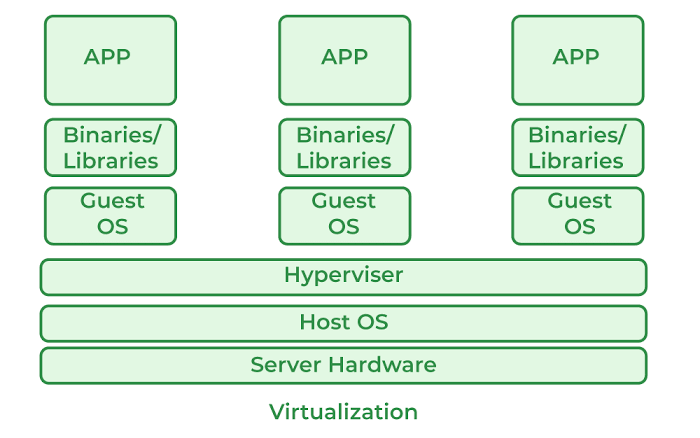
The virtualization layer converts physical hardware into virtual resources.
Virtualization technology allows cloud providers to create multiple virtual machines from a single physical server.
This improves:
- Resource utilization
- Performance
- Flexibility
- Cost efficiency
Virtual machines allow businesses to run applications without managing physical hardware.
Data Storage Layer
The storage layer manages how data is stored, organized, and accessed within cloud environments.
Cloud storage systems provide:
- Large capacity
- Data backup
- Recovery options
- Secure access
Organizations rely on cloud storage to manage increasing amounts of digital information.
Network Layer
The network layer connects cloud resources with users and applications.
It includes:
- Internet connectivity
- Virtual private networks
- Firewalls
- Traffic management systems
A strong network layer ensures fast communication between cloud services and users.
Application Layer
The application layer includes software and services that users interact with directly.
Examples include:
- Business applications
- Mobile apps
- Websites
- Database systems
Cloud infrastructure supports these applications by providing the required computing environment.
Cloud Infrastructure Services Models
Cloud Infrastructure is usually delivered through different service models. These models define how much control users have over technology resources.
Infrastructure as a Service (IaaS)
Infrastructure as a Service, commonly known as IaaS, provides virtual computing resources over the internet.
Users can access:
- Virtual servers
- Storage systems
- Networks
- Operating systems
IaaS gives businesses more control compared to other cloud service models.
Companies use IaaS for:
- Application development
- Website hosting
- Data processing
- Enterprise solutions
Platform as a Service (PaaS)
Platform as a Service provides developers with an environment to build, test, and deploy applications.
PaaS removes the need to manage underlying infrastructure.
Developers can focus on:
- Writing code
- Creating applications
- Testing software
- Deploying solutions
PaaS helps organizations speed up software development.
Software as a Service (SaaS)
Software as a Service provides ready-to-use software applications through the internet.
Users do not need to install or maintain software locally.
Examples of SaaS applications include:
- Business management tools
- Communication platforms
- Customer relationship systems
- Online productivity applications
SaaS makes software access easier and more affordable.
Advantages of Cloud Infrastructure for Businesses
Cloud Infrastructure provides many advantages that help businesses improve efficiency and innovation.
Faster Business Growth
Cloud infrastructure allows companies to launch new products and services quickly. Businesses can create digital solutions without waiting months for hardware installation.
Better Collaboration
Cloud systems allow teams to access files and applications from different locations.
Employees can work together easily through cloud-based platforms.
This improves:
- Productivity
- Communication
- Remote work capabilities
Disaster Recovery
Data loss can seriously damage businesses. Cloud Infrastructure provides disaster recovery solutions that help organizations restore information quickly.
Cloud backup systems protect against:
- Hardware failures
- Cyber attacks
- Accidental deletion
- Natural disasters
Improved Performance
Cloud infrastructure uses advanced technology and global data centers to provide better performance.
Businesses can deliver faster services to customers and improve user experiences.
Cloud Infrastructure Challenges
Although Cloud Infrastructure offers many benefits, organizations must also understand possible challenges.
Security Concerns
Protecting cloud data requires proper security planning. Companies must use strong security policies and monitoring systems.
Cost Management
Without proper management, cloud usage costs can increase unexpectedly.
Organizations should monitor:
- Resource consumption
- Storage usage
- Application performance
Internet Dependency
Cloud services require internet connectivity. Poor internet performance can affect access to cloud applications.
Technical Complexity
Managing cloud environments requires skilled professionals who understand cloud technologies, security, and architecture.
Frequently Asked Questions (FAQs) About Cloud Infrastructure
1. What is Cloud Infrastructure?
Cloud Infrastructure is a combination of servers, storage systems, networks, software, and virtual resources that work together to provide cloud computing services over the internet. It allows businesses and individuals to access powerful technology resources without owning physical hardware.
2. Why is Cloud Infrastructure important for businesses?
Cloud Infrastructure helps businesses reduce costs, improve scalability, increase flexibility, and enhance performance. It allows companies to quickly increase or decrease resources according to their needs while providing secure access to applications and data.
3. What are the main types of Cloud Infrastructure?
The main types of Cloud Infrastructure are:
- Public Cloud Infrastructure
- Private Cloud Infrastructure
- Hybrid Cloud Infrastructure
- Multi-Cloud Infrastructure
Each type provides different levels of control, security, and flexibility depending on business requirements.
4. Is Cloud Infrastructure secure?
Yes, Cloud Infrastructure can be highly secure when properly managed. Cloud providers use security technologies such as data encryption, identity management, access controls, and threat monitoring to protect user information.
5. How does Cloud Infrastructure help companies save money?
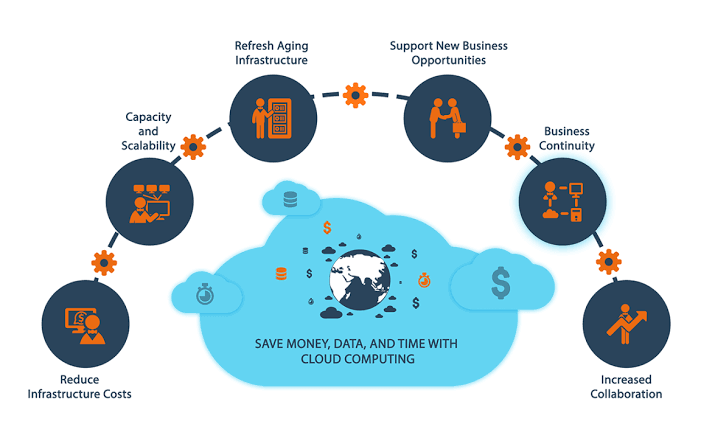
Cloud Infrastructure reduces the need for expensive hardware, physical data centers, and maintenance costs. Businesses can pay only for the resources they use, making cloud technology a cost-effective solution for organizations of all sizes.
Conclusion
Cloud Infrastructure has become a powerful foundation for modern digital businesses. It provides flexibility, scalability, security, and cost-effective solutions for managing applications and data. As technology continues to grow, Cloud Infrastructure will play an essential role in helping organizations achieve better performance, innovation, and long-term success.